

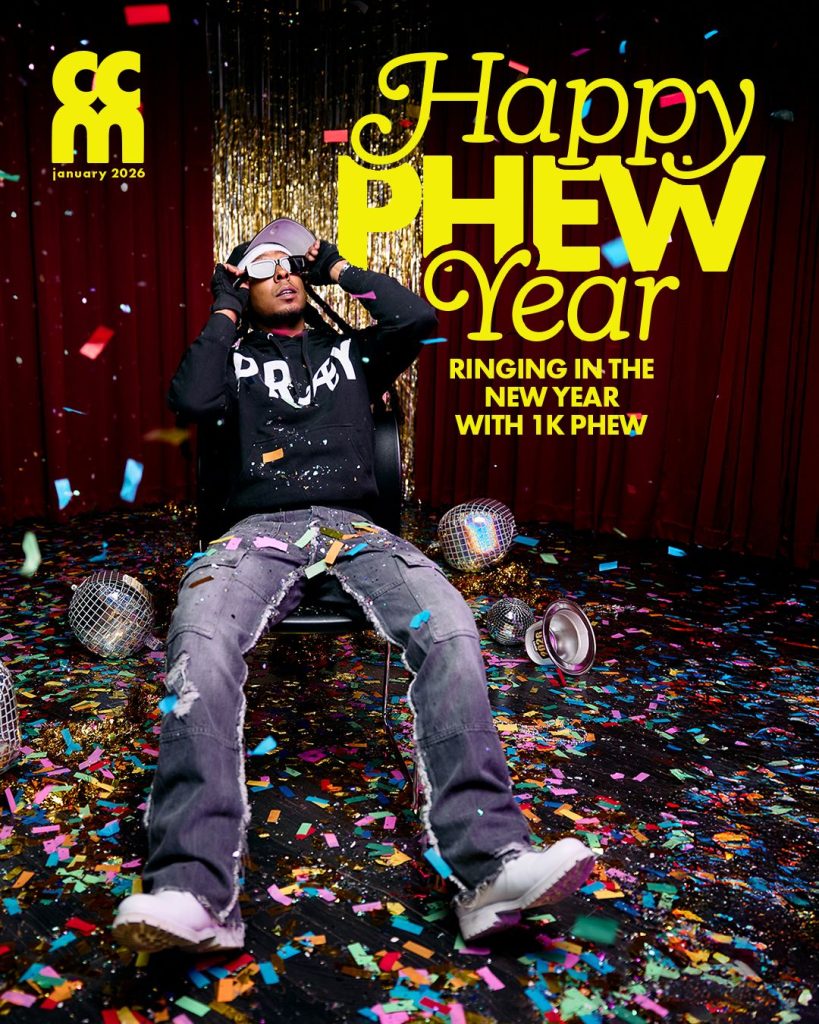
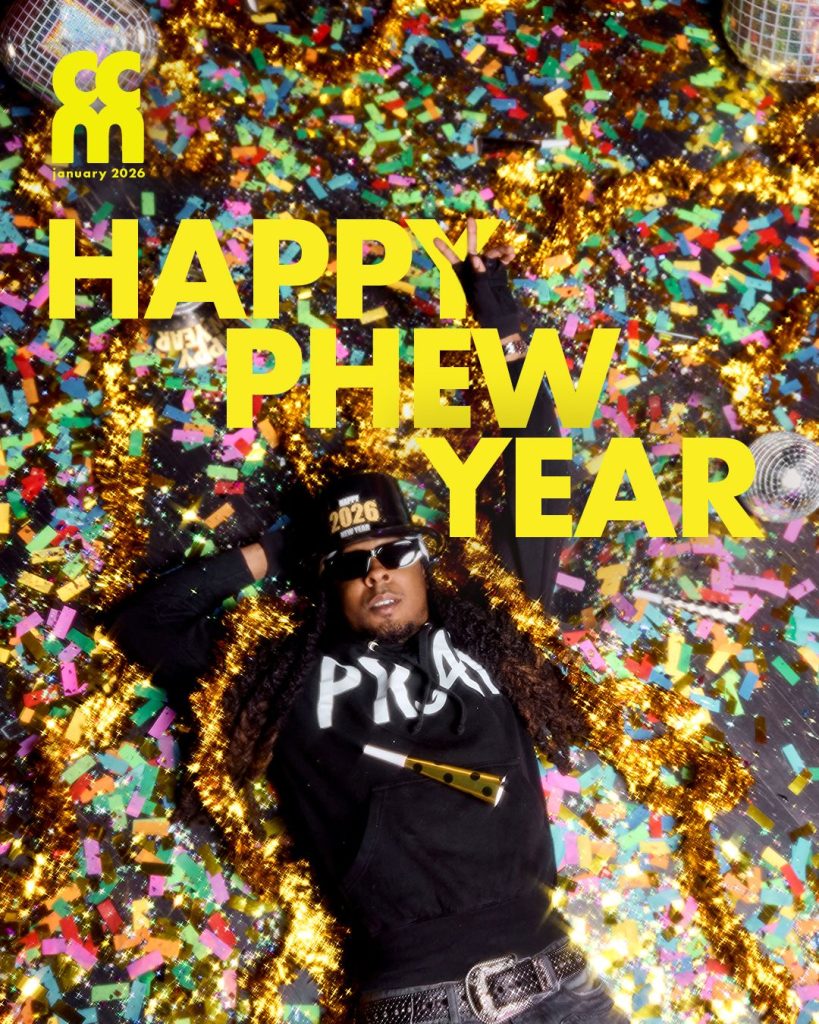
Happy Phew Year
Inside the Creative Wonderland of 1K Phew
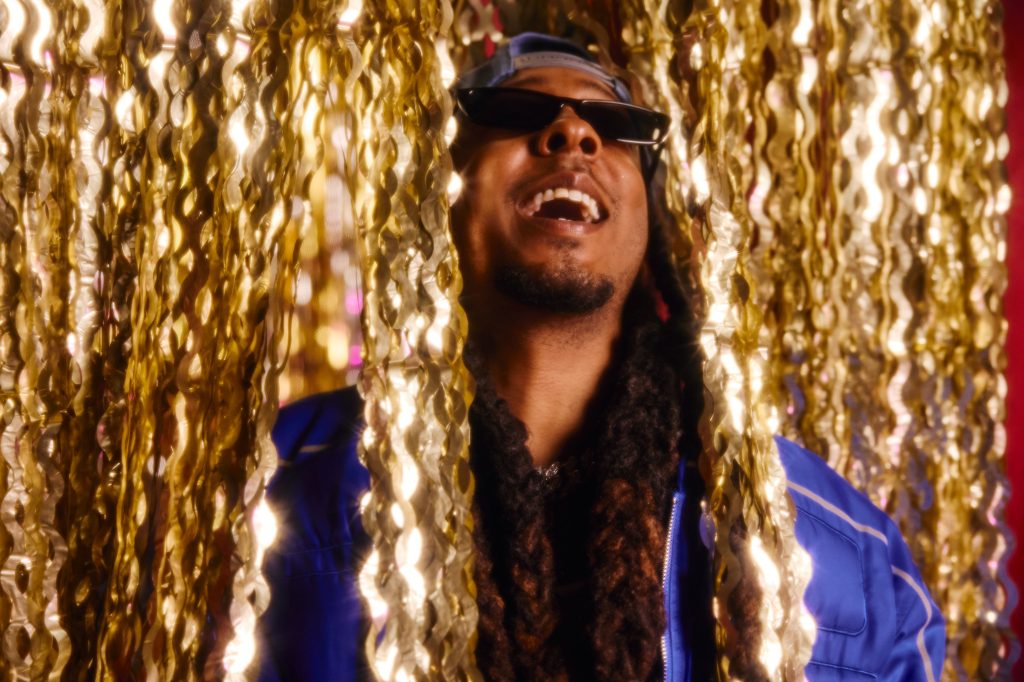
Every so often, an artist comes across my feed who exudes originality, endless creativity, and a level of quality that feels capable of elevating Christian music as a whole. Not just by sounding better or being more polished, but by stretching what the genre thinks it’s allowed to say, how it’s allowed to sound, and who it’s allowed to represent. Whether you’ve been a fan for years or you’re just discovering him for the first time, I’m genuinely excited to share my time with Isaac Gordon, better known as 1K Phew.
My first experience with Phew didn’t come through radio, playlists, or a perfectly timed press cycle. It came through an Instagram video. He was sitting casually in front of a camera, retelling a Bible story “ATL Version”. This hilarious (and oddly accurate) story time led me down a rabbit hole of videos that had me laughing, locked in, and thinking about Scripture in a new way.

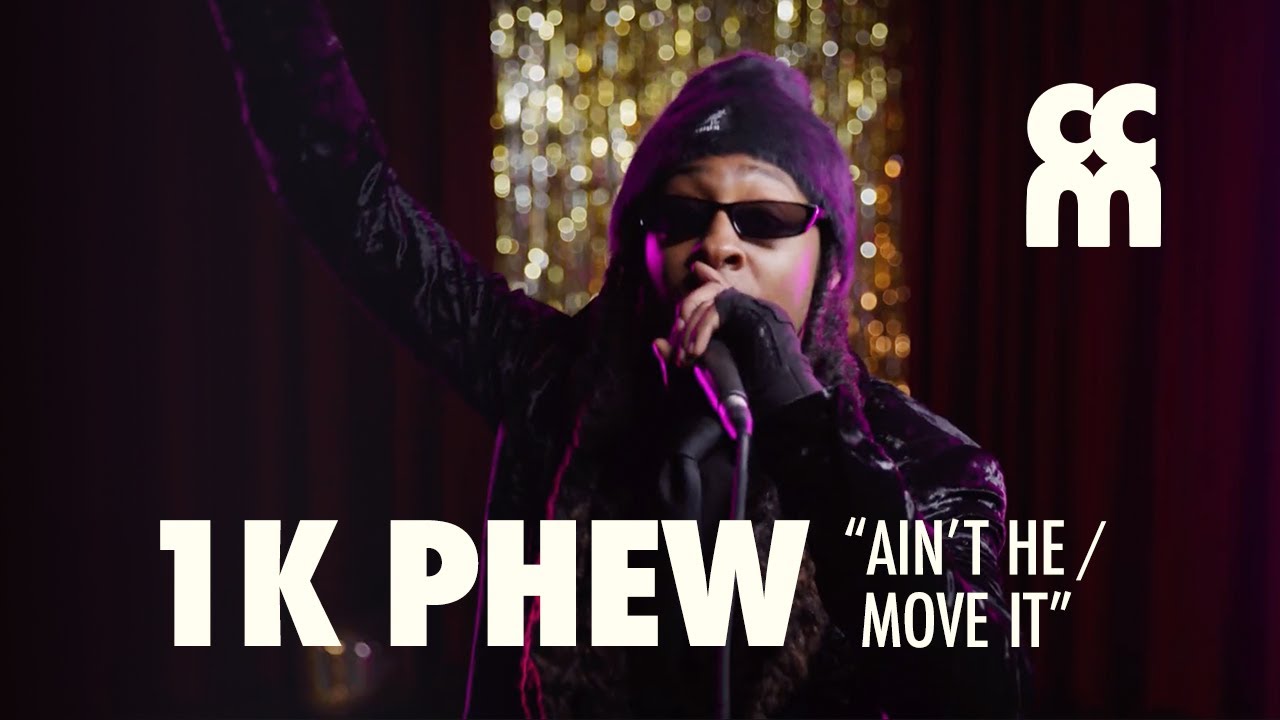
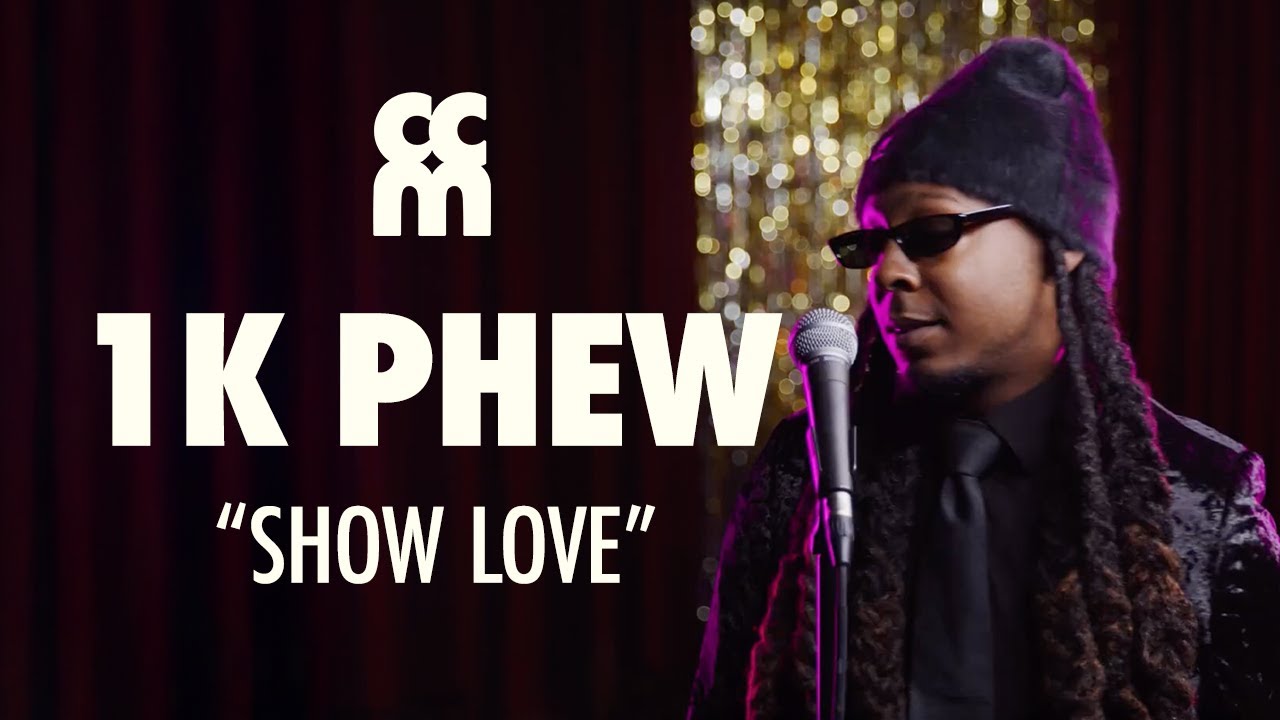

Once you hear him 1K Phew describe Jesus healing the ear Peter cut off as Christ simply slapping it back on like “Mr. Potato Head,” you can’t ever un-hear it. The image sticks. It rewires how you picture the story. Using street-level humor and slang, Phew reframed moments many of us learned in Sunday school, not to mock them, but to pull them closer.
Somewhere along that scroll, I clicked into his music and landed on a clip of him rapping while stopping a fight outside of a Waffle House. This is Southern hip-hop at its finest, delivered with equal parts humor, hope, and heartbreak.
My next stop on the Phew-Train, led me to an album whose title and collaborator immediately caught my attention: Pray for Atlanta, created with the legendary Zaytoven.
Atlanta and I have a complicated history. I was born and raised there until my mid-teens. I’ve watched the city shift, grow, fracture, and rebuild itself more times than I can count. I’ve seen it love fiercely and, at times, destroy people close to me. I’ve experienced Atlanta as both a city of dreams and a clouded nightmare. So when I pressed play on an album made by an artist who often leans into comedy, I wasn’t sure what I was going to get.
By the end of the record, I was in tears.
Pray for Atlanta wasn’t a slogan or a marketing hook. It felt like a lament. It captured, with painful accuracy, the heaviness that seemed to sit over the city during that season. It wasn’t trying to fix Atlanta. It was acknowledging its wounds.
Phew and I were raised in the same county. On paper, that should mean shared experience, but Atlanta has a way of creating parallel worlds that don’t always overlap. Still, one thing the city has always gotten right is culture and music. Diversity isn’t questioned there, it’s embedded. Growing up, I didn’t even realize how rare that was until I left.
Music remains Atlanta’s greatest export. You can place The Allman Brothers Band, Widespread Panic, R.E.M., Third Day, and The Black Crowes right alongside Outkast, Little Richard, Gucci Mane, Ludacris, and T.I. Different eras. Different sounds. Different audiences. But all of it rooted in place. At their core, I’d argue all of it is rock ’n’ roll, filtered through Georgia soil.
That’s what I hear in 1K Phew.
He describes his sound as Gospel Rap and his latest release, What’s Understood 3, feels like the clearest distillation of what that is. It balances humor and kid-friendly moments with heartbreak and redemption, all rooted unapologetically in Christian truth. But what separates Phew isn’t just the sound. It’s the responsibility he’s willing to carry.
“I really want to embrace who God called me to be and put a spotlight on it. Not be cocky but definitely be confident in it… especially when it comes to representing faith and story, especially in the city of Atlanta.”
-1K Phew
He’s not only willing to carry it, he openly talks about his want to be a poster child for the Christian walk. Most artists I know run from that immediately, but not Phew. He asks for it. “I feel like so many people who look like me, talk like me, act like me and probably got the same story as me, but just don’t have an example of somebody doing it. They’re seeing negativity and crash-out culture all around them. So they’re going to act like that.”
In a culture where Christian artists often shy away from being put on a pedestal, Phew runs towards it out of urgency. “I really want to embrace who God called me to be and put a spotlight on it. Not be cocky, but definitely be confident in it… especially when it comes to representing faith and story, especially in the city of Atlanta.” Phew grew up steeped in church culture and eventually having to decide what it actually meant to believe. “I’ve been in church all my life. My mother, she had a drug addiction growing up… every Sunday she drug us to church” Phew jokes.
Faith was present early. Relationship came later. Especially in the South, church attendance can blur the line between belief and culture.
“You got to pick relationship over religion. You can’t just be going through the motions. You really got to see God for yourself.” For Phew, authenticity wasn’t optional. It was survival. “I grew up in Atlanta culture, but at the same time God had a certain favor on my life.” That favor didn’t always feel like protection. “When God’s got a call on you, you stick out like a sore thumb.”
He describes it as a kind of unwanted visibility, a light you don’t know how to turn off.
“Sometimes we get nervous to walk in it because we feel like it’s not cool. But sometimes you got to be obedient.” It’s what makes his comedy live comfortably with his laments. It’s why those Bible story videos work. They’re funny, yes, but they’re also deeply intentional. Before filming, he and his collaborator study the text together. “Before we filmed, we literally have Bible study. I want to educate too.”
That matters to him, because he knows how many people grew up around Scripture without ever really absorbing it. “There’s a lot of people who grew up in church and didn’t even know the full details.” The humor is the doorway. “Isaac (Phew’s real name) means laughter. That’s me to the core. I just like making people feel good.” That heart shows up everywhere, including places most artists avoid. Phew has regularly performed in prisons, something he admits reshaped his understanding of ministry.
“Ain’t no lights, ain’t no loudspeakers. You really sharing the gospel with these folks and they really receiving it.” There’s no performance in that environment. No safety net. “That’s what it’s all about.” It also shows up in moments that stop him cold. One day, while waiting in line at a burger spot with his family, a woman working the counter recognized him. “She just broke down crying.” What she told him stayed with him. “She said she thought about taking her life last year. She said my music helped her through it.” That was the moment the weight became undeniable “That’s when I realized how important it was. You never know. Literally.” While new music and the future is why we sat down, I couldn’t help but share my love for Pray for Atlanta. It’s an album that hasn’t slowed down since it was released in 2024. “It was bigger than a project. It was a full-circle moment.” Working with Zaytoven made it even more personal. “That’s my big brother. That’s my mentor. We did it for the city.” And the city responded. So did others. “When we toured it, I realized people in other cities felt the same way.” Now you can find PRAY merch throughout the city with the iconic Atlanta “A” right in the middle. It’s a simple message and it clicked.
Phew’s credibility is also reinforced by the company he keeps. He’s signed to Lecrae’s Reach Records, a label that understands both culture and conviction. He tells the story of being invited into the studio initially to write, not expecting anything more. It was essentially a response to a “left on read” Instagram direct message from years prior. “Long story short, man… a message finally came back around.” Lecrae and the Reach Records team were working on what would become All Things Work Together. The beats were already there… What they needed was someone who understood the culture and the faith at the same time. They DM’d me and was like, ‘Hey man, we working on an album. You think you can come up here and write?’”

“You got to pick relationship over religion. You can’t just be going through the motions. You really got to see God for yourself.”
-1K Phew
At that point, Phew was simply showing up and walking through a door God opened. “Initially I was going up there to write for Lecrae… I didn’t have no car, nothing like that. I had to find a way up to the studio.” Because this wasn’t the version of the story where everything lined up cleanly and magically overnight. The first beat they played him was Hammer Time. “I did that. Then they played another beat. I did that too.” Still, he didn’t assume anything. “I’d been around music politics for a minute, so I never try to get my hopes up.” Where God had opened up the door to opportunity, this time the physical studio door opened.
“Lecrae walked in. I didn’t even know he was there. I just see this eight-foot giant walk in the room.” Phew laughs when he tells it, but you can hear the moment crystallize in real time. “They played him ‘Hammer Time’ and he went crazy.” Still, even then, Phew stayed guarded. “When he said it was hard, I was like, ‘Okay, that’s cool.’” Then it kept going. “He was like, ‘We gonna put it on the album. Then he was like, ‘We gonna make it a single.’ Then he was like, ‘I want you to try to put a verse on it. If I like it, we’ll keep it.’ I ain’t gonna lie, man… that whole situation was a God thing.”
What followed wasn’t an overnight deal. It was something slower and more revealing. “After ‘Hammer Time,’ he just told me, ‘Man, just keep coming around the studio.’” Not contracts. Not promises. Just continual presence. “He wanted to see my heart. I came up there almost every day.” Most entertainers can relate to the days of just being there. Sitting in rooms. Watching. Learning. Being evaluated. Those times matter. For Phew they showed consistency and Character. Eventually, the music spoke for itself. The relationship solidified. And the rest became history.
But even now, Phew doesn’t talk about Reach Records like a ladder he climbed. There’s no sense of arrival in his voice. Just gratitude.
That heart shows up clearly on What’s Understood 3, a project rooted in unity. “We might not all be friends, but we’re family.” That belief extends beyond music and into his home life, Phew is a proud father of three. “My kids ask me questions all the time. I answer every single question. We’re growing closer to God as a family.”
The collaborations continue, and with them, the mainstream approachability of 1K Phew keeps expanding. Very few names in Christian music resonate across audiences the way Forrest Frank does. His rise has been nothing short of a phenomenon, and he’s become known as someone who is increasingly selective about who he chooses to work with. So when I opened Instagram a few months ago and saw Forrest performing a brand-new verse on an older Phew song at the San Diego Zoo, my eyes widened. As a fan, it felt like more than a feature, it felt like an open door. Some songs get their moment and disappear. Others wait. As a fan, this is an opportunity to reach the world beyond hip-hop culture.
When “Move It” it originally featured Lecrae, it became a hit and found its audience. It lived its life. And then, quietly, it moved into the background as Phew kept creating, touring, and building what would become a much bigger body of work. At the time, there was no reason to believe the song was unfinished. Then just a few months back, the song came roaring back to life. It all re-started because a group of dancers on the other side of the continent decided it was the song they wanted to move to. “It was a dance crew called Brotherhood, based out of Vancouver. Brotherhood was competing in a dance competition, something similar to America’s Best Dance Crew. When they won, using “Move It” as their performance track, everything shifted. As soon as they won, it just flooded TikTok and it went crazy.” Suddenly, it was everywhere again. Clips. Edits. Choreography. Movement. The song was finding a new life with an audience that didn’t care when it was released, only how it made them feel. Watching that kind of resurgence from the outside can feel surreal. Watching it from the inside can feel almost disorienting. For Phew, it was both. “I ain’t gonna lie, it was insane.”
And then came the text. Forrest Frank had already been a name in Phew’s orbit. The two had crossed paths digitally, trading comments, jokes, occasional messages.
“Me and Forrest, we had been talking on and off for a couple years. We ended up swapping numbers, just texting back and forth.” So when “Move It” started going viral again, Forrest noticed. “When it went viral, he hit me up like, ‘Bro, this is crazy.’”
Phew tells the next part like it’s normal. “I kind of joked, like, ‘Where your verse at?’” Two days later, Forrest sent something back. “He sent me the verse back like two days later. And it was like, ‘Oh no. This is crazy.’”
What Forrest brought to the record didn’t change the heart of the song. It amplified it. His voice slid into the track naturally, expanding its reach without diluting its identity. It felt less like a remix and more like the song finally finding its full form.
But even then, the story wasn’t finished. Because once the verse existed, the visual had to exist too. “He was like, ‘Bro, we need to go to the San Diego Zoo.’” Phew laughs when he tells this part, because it still sounds ridiculous. “I’m like, ‘Right now?” But Forrest was serious.
So off to San Diego he went. The result feels exactly like the song itself. Lighthearted without being shallow. Childlike without being childish. A visual that invites people in instead of challenging them to decode something. That matters, because “Move It” isn’t a heavy record. It doesn’t present itself as one. And yet, somehow, it carries weight. “It’s medicine. People are tired of hearing garbage. They need light.” The collaboration with Forrest Frank only widened that reach. It feels like two artists with mutual respect for the art they both share.
The song’s second life also reinforces something Phew has learned over time: timing matters more than tactics. “It was just time.”
“Move It” moved because it was allowed to. And in doing so, it became something bigger than it ever was the first time around. That’s when I could help but question what the future looks like and his answer was unmistakably Phew. “I’m just going to let go and let God.” That was the line I heard for the first time watching that Waffle House video. In an industry built on constant motion, constant content, constant noise, 1K Phew understands that he needs to walk with God and not try to make God cool. “God’s already cool.”
Leave a Reply
You must be logged in to post a comment.