

 |
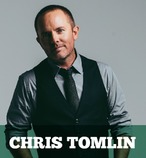
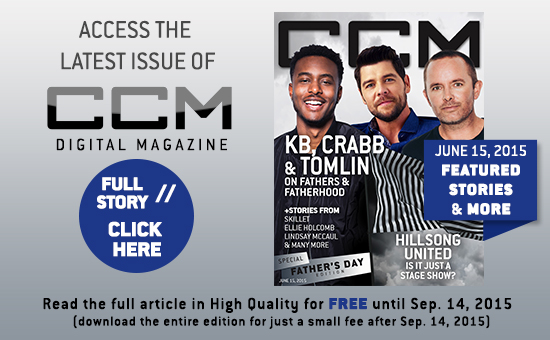
“When you’re a dad, things often don’t go as planned and you’ve got to learn how to mellow out in life and roll with the punches. It is a very good lesson for me to be learning. I feel like I’m a much more relaxed person overall now…” | READ FULL STORY in the June 15, 2015 edition of CCM Magazine |
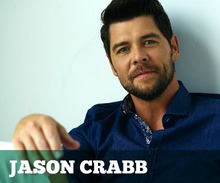 |
“I do my best everyday to love them, teach them, and be an example of Jesus for them. Lucky for me, I’ve got the most incredible wife in the world. Shellye helps me be the best father I can be. She helps me better understand those little female minds, and shows me what they need most…” | READ FULL STORY in the June 15, 2015 edition of CCM Magazine |
 |
“The past ten years have been wonderful. I’ve watched my father humbly allow God to transform his heart and his life, and it has changed our family. He has asked each of us to forgive him for the ways he has fallen short as a father, acknowledging his brokenness and the ways that it broke our hearts at times. He has lived out the wisdom that he spoke so gently to me, letting Jesus pour through his broken places…” | READ FULL STORY in the June 15, 2015 edition of CCM Magazine |
 |
“From the confidence of my newfound freedom, I decided to tackle the last chapter of my fatherless saga. I wanted to meet the man responsible for the very DNA that runs through my body. I wanted to find my biological father…” | READ FULL STORY in the June 15, 2015 edition of CCM Magazine |
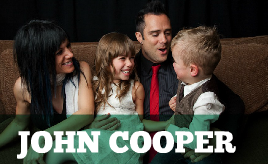 |
“At first, it was not our desire to have children while traveling in a band, but God had other plans for us. They have fully lived-in to their roles and feel that they have been called to be out on the road just as much as Korey and I have. They are eager to talk to others about Jesus, live for Christ daily, and to be a light anywhere they find themselves…” | READ FULL STORY in the June 15, 2015 edition of CCM Magazine |
 |
“Like a good father, God’s heart breaks when our heart breaks. Sometimes in His sovereignty He protects us from trouble, and other times He allows us to go through pain so that we can grow…” | READ FULL STORY in the June 15, 2015 edition of CCM Magazine |
 |
“I constantly desire to have conversations with my kids and to be involved in their lives. I want to celebrate their successes at things like piano recitals, as well as to hold them in loving arms after a hard day at school. I like to think that those are characteristics of our father, God, who supplies all joy through His presence….” | READ FULL STORY in the June 15, 2015 edition of CCM Magazine |
 |
“This Father’s Day (and every day), it is my prayer that the example I set as his earthly father only reinforces what his mother and I are teaching him about the Heavenly One…” | READ FULL STORY in the June 15, 2015 edition of CCM Magazine |
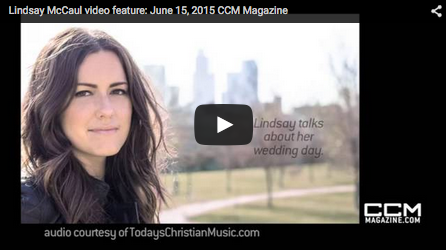 |
Listen to an on-air interview with Lindsay McCaul as she opens up about her father whom recently passed away to myelofibrosis. | Watch video HERE |
Leave a Reply
You must be logged in to post a comment.